
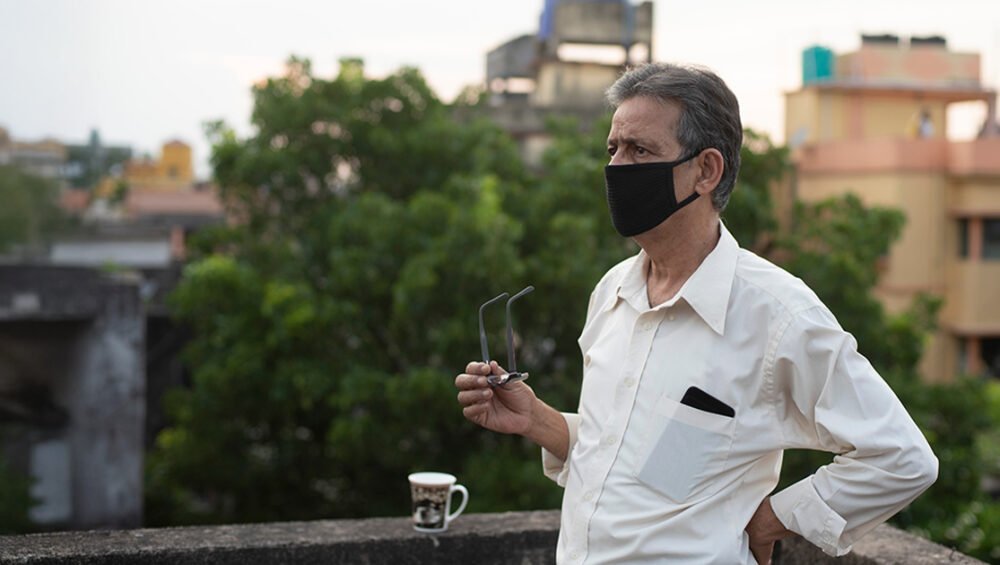
When the air turns grey in Delhi NCR, it’s more than an inconvenience—it can affect how you breathe, sleep, and move through the day. Older adults are especially sensitive because lungs and hearts work a little harder with age, and many already manage conditions like asthma, COPD, or hypertension. The good news? With a few smart habits, you can stay safer, comfortable, and active.
Why seniors feel pollution more
- Airways are more irritable: Fine particles (PM2.5) can inflame the lungs and trigger cough, breathlessness, or wheezing.
- Existing conditions flare faster: Heart or lung issues can worsen on bad-air days.
- Recovery takes longer: Even a minor irritation may take a few days to settle.
You don’t need to be anxious—you just need a plan.
Make AQI your daily “weather” check
Treat air quality like the forecast you check before stepping out.
- Good (0–50) / Satisfactory (51–100): Outdoor walks are fine.
- Moderate (101–200): Sensitive adults should limit outdoor exertion.
- Poor (201–300): Prefer indoors; keep outings short and essential.
- Very Poor (301–400): Stay indoors as much as possible.
- Severe (401+): Avoid going out; use an effective mask if you must.
Pick one easy method to track AQI—your phone’s weather widget or any AQI app.
Masks that actually help
If you need to step outside, a good mask makes a big difference.
- Choose: N95/KN95 (no valve) or equivalent. Cloth/surgical masks don’t filter tiny particles well.
- Fit matters: The mask should seal around nose and cheeks. Use the nose clip; adjust straps.
- Care: Replace when dirty, damp, or after about a week of intermittent city use.
- Comfort: If you have chronic lung or heart disease, ask your doctor which mask is best and how long you can safely wear it.
When possible, let staff run quick errands on very bad-air days—most senior citizen homes can help with groceries, pharmacy pick-ups, or courier drops.
Create cleaner air indoors
You spend most of your time inside—make that air count.
- Air purifier with HEPA:
- Pick the right size (CADR suited to your room) and place it where you spend the most time—usually the bedroom.
- Run it continuously on low; ramp up when AQI spikes.
Living in a community? After consulting with the senior citizen homes team, you can install an air purifier if it’s allowed in apartments—especially if pollution levels are too high.
- Smart ventilation:
- Ventilate during the day’s best AQI window (often mid-afternoon).
- On “Poor” or worse days, keep windows closed and rely on purifier + kitchen exhaust.
- Cut indoor smoke and dust:
- Use the chimney/exhaust while cooking.
- Avoid incense/camphor and candles on bad-air days.
- Damp-dust surfaces; vacuum with a HEPA filter if possible.
- Keep a shoe rack at the door; consider a doormat-shoes-off routine.
- Green corners for calm:
- Houseplants can lift mood (don’t count on them to purify the room air).
- Choose easy-care plants and avoid if you have strong pollen/dust allergies.
Movement without the smog
Staying still can stiffen joints and lower mood. Keep moving—just move wisely.
- On Good–Moderate days: Short outdoor walks are fine; pick quieter, greener lanes.
- On Poor or worse: Exercise indoors—hallway walks, gentle chair yoga, light resistance bands, or guided breathing.
- Warm-up slowly: On cold, hazy mornings, start indoors and cover nose/mouth when stepping out.
If you’re unsure what’s safe for you, ask a physiotherapist. Many senior citizen homes run indoor fitness sessions tailored to energy levels and medical needs.
Eating and drinking for easier days
- Hydrate: Warm water, soups, and herbal teas keep airways moist and comfortable.
- Balanced meals: Regular, colourful plates (fruits, vegetables, pulses, whole grains, nuts) support general health.
- Watch salt: On days with less movement, avoid extra salty snacks to keep blood pressure steady.
Ask for help—use your community
Don’t hesitate to lean on people and systems around you.
- Errands: Ask front-desk or concierge staff to manage deliveries or pharmacy runs on severe days.
- Buddy system: Check in on a neighbour and have them check on you.
- Indoor social life: Join the library hour, antakshari, craft table, or devotional singing—connection lightens the mood when the sky is dull.
Conclusion
Air quality may change day to day, but steady habits keep you safe. Check the AQI, plan calmly, and choose indoor options when needed. Use well-fitted masks outside and keep indoor air as clean as you can. With a clear routine and a little support, you can breathe easier and live well.