
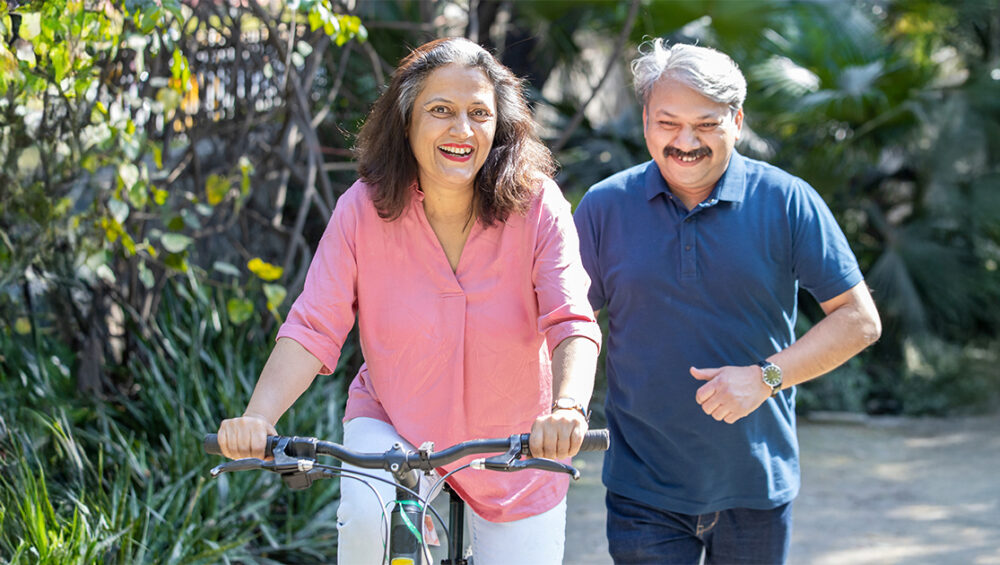
Across India, the idea of ageing is changing. Older adults want comfort, dignity, and control over daily life and not dependence. This shift explains why modern communities focus so strongly on active routines and independent choices. The best retirement homes for senior citizens now look less like care facilities and more like well-organised neighbourhoods. They combine safety with freedom, and structure with personal preference. The result is a setting where residents can live on their terms while enjoying reliable support.
What “active and independent” really means
Active living is not about intense exercise or a packed schedule. It is the steady rhythm of walks, light strength work, balance practice, music, reading, and social time. Independence means keeping your own routine: when to wake, what to eat, which events to join—and choosing services only when needed. Communities design their programmes and spaces so these choices are easy. You can host family, take part in a class, or enjoy a quiet afternoon in the garden. Help is near, but it does not take over.
Better health with simple, regular habits
Activity protects strength, balance, and mobility. Even short sessions, such as gentle stretching, chair stands, and a stroll with neighbours help maintain muscle and reduce fall risk. The same is true for the mind. Talks, music, clubs, and puzzles keep thinking skills flexible and lift mood. Sleep and appetite often improve when the day has a calm structure. By making these habits convenient, communities improve health without medicalising everyday life. Residents feel the benefits in energy, confidence, and ease of movement.
Design that supports autonomy
Independence grows when the environment makes movement simple and safe. Step-free routes, wide corridors, reliable lifts, and well-lit pathways reduce worry. Apartments with anti-slip flooring, lever handles, and accessible bathrooms preserve privacy and control. Seating with armrests and dining areas with clear signage help residents navigate without effort. These details are quiet, but they matter. They let residents do more for themselves, which is the heart of independent living.
Services that reduce friction
Wellness succeeds when routine tasks are easy. Housekeeping, laundry, and maintenance remove daily friction. On-campus dining offers balanced menus with room for personal taste. Transport for appointments and outings keeps city life within reach. Importantly, these services are flexible. Residents can opt in or out, change plans, and keep their own timetable. This “support on call” model is a key reason retirement homes for senior citizens have become popular with families who value both freedom and reassurance.
A social fabric that prevents isolation
Loneliness is a real health risk. Communities answer it with friendly, low-pressure ways to connect. The calendar may include walks, yoga, music, film screenings, festivals, and volunteering—activities that are easy to join and easy to leave. Shared spaces such as libraries, lounges, and café corners encourage short conversations that grow into friendships. Residents can be as social or as private as they wish, but there is always a doorway back into company when they want it.
Senior citizen living in India
Senior citizen living in India brings unique needs. Cities are busier, family members travel for work, and long commutes make daily support difficult. At the same time, older adults want safety, access to hospitals, and a lifestyle that respects culture and routine. Modern communities respond with vegetarian and non-vegetarian menus, festival celebrations, prayer or meditation spaces, and thoughtful guest policies. They are often located close to healthcare networks and shopping. For many families, this balance—culture, convenience, and care—makes community life a practical path to ageing well.
How to evaluate the “active and independent” promise
When you visit, look beyond the brochure. Notice whether residents hold their own keys, choose their activities, and speak freely with staff. Review the monthly calendar and ask how often programmes actually run. Taste a meal and check whether dietary needs are handled with care. Walk the corridors in the evening to sense lighting and quietness. Ask about emergency response times and how help is requested from the apartment. Small details reveal whether independence is truly built into daily life.
Conclusion
Saral Satya Legacy designs community life around steady activity and genuine autonomy. Residents set their routines, join well-run programmes, and rely on discreet support when needed. For families exploring retirement homes for senior citizens and for those considering the broader landscape of senior citizen living in India, Saral Satya Legacy offers a calm, future-ready environment where independence and active living feel natural, day after day.