
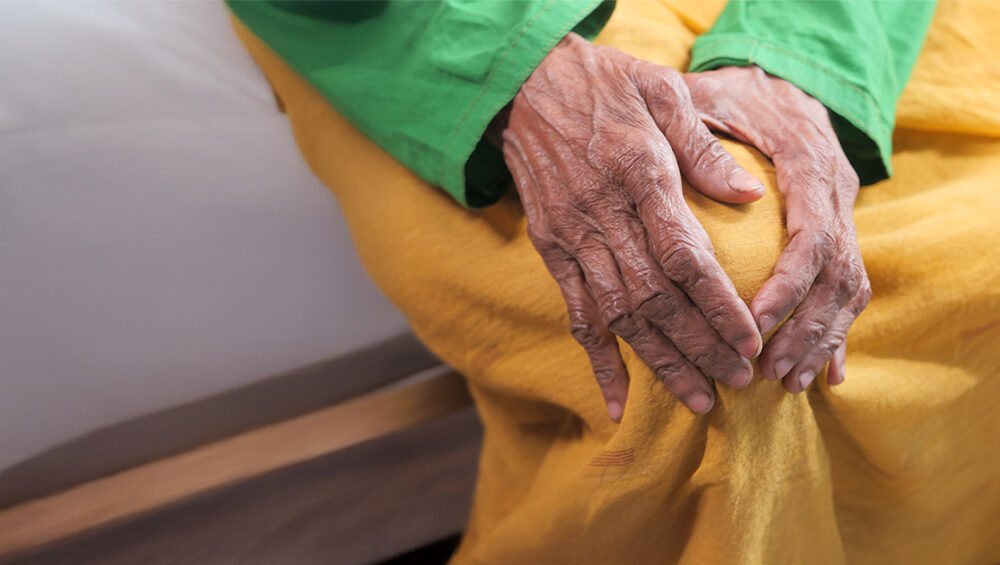
Cold mornings, foggy paths, and a cup of something warm—Delhi’s winter has its charm. It can also make knees and hips feel rigid, especially first thing after you get out of bed. The goal isn’t to “push through” pain; it’s to make gentle, smart choices that keep you comfortable all season. If you’re comparing communities and searching for the best old age home Delhi residents can rely on, pay attention to how the place supports winter joint care in everyday ways.
Why do joints feel stiffer when it’s cold? Muscles tend to tighten, we move a little less, and dry indoor air can leave us under-hydrated. Blood flow also slows slightly in chilly weather, so the start of every movement can feel rusty. The fix is pleasantly simple: more warmth, more little bursts of movement, and kinder routines.
Start the day unhurried. Before your feet hit the floor, take two minutes to “wake” your joints. Point and flex your ankles ten times; draw small circles with each knee; gently hug one knee toward your chest and then the other. Sit up, place your feet flat, and do five slow stand-sit repetitions using the bed for support.
Keep movement light and steady. Winter rewards “little and often.” A 15–20 minute walk after breakfast, a five-minute corridor stroll after lunch, and a few balance drills before tea can add up beautifully. If your community runs chair yoga or low-impact strength classes, choose the ones that feel friendly and repeatable. Two short strength moves to try (doctor permitting): wall push-ups (10–12 gentle reps) and sit-to-stands (8–10 reps). Done three days a week, they support the muscles that protect your joints.
Warmth is your ally. A warm shower can loosen the morning stiffness; so can a microwavable heat pack on your hips for 10–15 minutes before a walk. Keep rooms comfortably heated, but not stuffy. Layering matters: a soft base layer on the legs, then warm trousers, and socks that aren’t tight at the calves. Indoors, slippers with firm soles and a backstrap beat floppy, open footwear every time.
Think about surfaces and steps. Skid-resistant floors and well-placed handrails make winter safer. If your path to the dining area has a cold, windy stretch, ask about an alternative indoor route on heavy-fog days. When you tour communities—especially if you want the best old age home Delhi options—notice lift-lobby seating (to pause between walks), benches at regular intervals, and clear, even lighting along corridors. These small features turn “I should move more” into “I want to move more.”
Food can help, too. A winter plate built from warm bowls—dal or bean soups, sautéed greens, carrots, beets, sweet potatoes, millets or oats—supports joints without fuss. Add a protein you enjoy (paneer, eggs, fish, dals) and a spoon of good fats (seeds or nuts) for steady energy. Sip warm water or light herbal tea through the day; we often drink less when it’s cold, and joints feel better when we’re properly hydrated. If you have a medical condition, of course, follow your doctor’s advice first and share any diet guidance with the dining team so they can support you.
Rest well, move better. Sleep restores muscles and mood. In winter, try a simple wind-down: dim lights, stretch calves and hamstrings for one minute each, and do six slow, deep breaths before bed. If cool air bothers your knees at night, a light knee sleeve or an extra blanket across the lower legs can take the edge off. Keep a small night light to avoid sudden, awkward steps in the dark.
Know your “red flags.” Gentle stiffness that eases with warmth and movement is normal; sharp pain, swelling, a joint that “gives way,” or pain that wakes you at night deserves attention. Always speak with your doctor before starting new exercises or using heat/cold therapy if you have diabetes, nerve issues, or fragile skin. And if you live in a community, let the medical desk know about any ongoing joint condition. It helps them guide class choices, offer physiotherapy slots, and arrange quicker help on tough days.
Make it social and simple. A walking buddy keeps you regular; a music playlist makes stretching feel less like a task. Set tiny goals: three walks this week, two strength sessions, one new recipe. Celebrate small wins—a smoother first step, a longer walk, a less creaky evening. Those are real gains.
If you or your family are searching for the best old age home Delhi seniors appreciate in winter, look for everyday supports: warm indoor routes for walking, slip-resistant floors, seating with armrests, supervised fitness, and dining teams that happily note your preferences. These are the quiet details that make knees and hips happier when the temperature dips.
Conclusion
At Saral Satya Legacy, winter comfort meets thoughtful design: warm community spaces, accessible walking routes, supportive seating, and staff who can coordinate gentle fitness or physiotherapy when needed. Dining focuses on warm, balanced meals, and the team is happy to note your doctor’s guidance so routines stay safe. For seniors seeking easy, everyday joint care—and a calm home base through Delhi’s colder months—Saral Satya Legacy offers a reassuring blend of comfort, movement, and friendly support.