
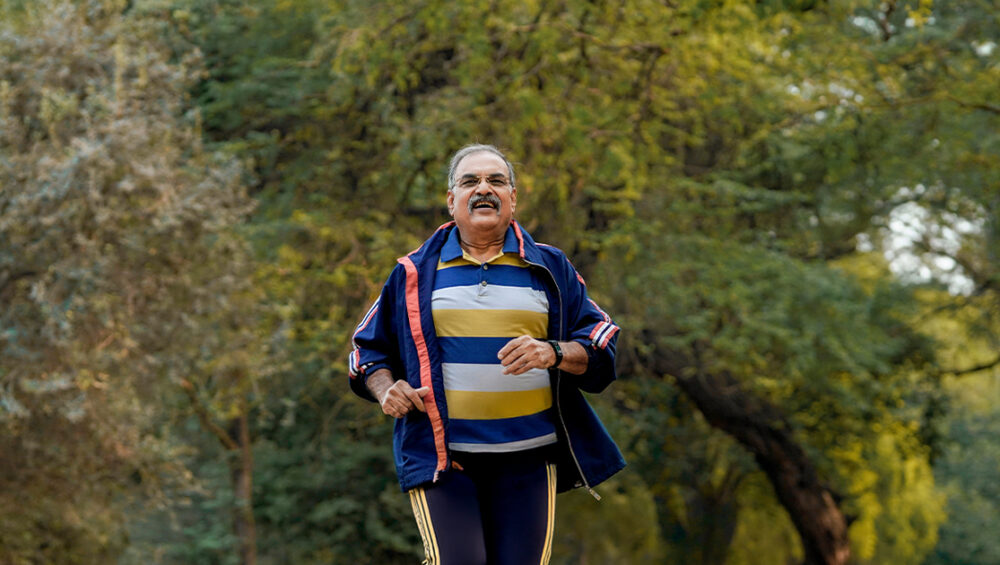
India’s older adults are embracing an active, well-structured lifestyle—as individuals, as couples, and those living in well-managed senior retirement homes across the country. Are you considering practical changes that support strength, confidence, and independence? Below are 20 everyday habits that, together, build steady momentum toward healthy ageing.
Note: If you live with a medical condition or are starting a new routine, please consult your doctor or dietician first.
20 Habits for Active, Healthy Ageing
- Walk with purpose each day
Unhurried morning or post-meal walks keep joints moving, lift mood, and support heart health. Short, regular strolls add up when done most days.
- Add brief strength sessions
Two short sessions a week—body-weight moves, light dumbbells, or resistance bands—help maintain muscle, making sit-to-stand, stair climbing, and carrying bags easier.
- Practise balance
Simple drills such as heel-to-toe walking or supported single-leg stands improve stability and reduce fall risk, especially on night-time routes.
- Stretch to stay supple
Gentle shoulder rolls, ankle circles, and slow overhead reaches ease stiffness and prepare the body for daily activity.
- Protect your sleep routine
Consistent bed and wake times, a dark quiet room, and lighter evening meals support restorative rest and better energy the next day.
- Hydrate through the day
Keep water within reach and sip regularly. Warm water, soups, and watery fruits aid digestion and concentration.
- Build balanced plates
Prioritise colourful vegetables and fruit, whole grains, quality proteins, and healthy fats. Balanced meals stabilise energy and support immunity.
- Keep up with check-ups
Periodic reviews with your physician, dentist, and eye and hearing specialists help catch small issues early and keep treatment plans current.
- Organise medications
A weekly pill box, simple reminders, and an updated list of medicines reduce missed doses and ensure safe combinations.
- Stay socially connected
Regular calls, visits, clubs, and classes guard against isolation and support emotional wellbeing. Community time is part of healthy ageing.
- Exercise your mind
Read, write, solve puzzles, learn music, or take a short course. Lifelong learning keeps the brain flexible and adds purpose to the week.
- Manage stress proactively
Short daily practices—breathing exercises, guided relaxation, gentle yoga, or quiet outdoor time—steady mood and support sleep.
- Seek fresh air and safe sunlight
Brief outdoor periods, as advised by your doctor, support vitamin D, mood, and routine movement—whether gardening or a courtyard stroll.
- Eat regularly and mindfully
Do not skip meals. Sit down to eat, chew slowly, and enjoy flavours. Mindful meals help with portion control and digestion.
- Choose supportive footwear and clear paths
Non-slip footwear and clutter-free, well-lit walkways reduce stumbles. Night lights in bedrooms and corridors add confidence after dark.
- Schedule “movement snacks”
Stand, stretch, and walk for a few minutes each hour. Frequent light activity reduces stiffness without tiring long sessions.
- Keep a simple wellness log
Note steps, sleep, or mood for a few weeks. Patterns appear quickly and help you refine routines that suit your energy.
- Plan the week in advance
Put walks, classes, and social calls on the calendar as firm appointments. A planned week turns good intentions into consistent action.
- Choose purpose and service
Mentor, teach, share a hobby, or join a community initiative. Purposeful roles strengthen social ties and encourage daily organisation.
- Leverage supportive environments
Well-run senior retirement homes make these habits easier: walkable layouts, activity calendars, safe lighting at night, balanced dining, and straightforward access to wellness support.
Conclusion: A Note on Saral Satya Legacy
Healthy ageing is the cumulative effect of small, repeatable behaviours sustained over time. When movement, sleep, social connection, balanced meals, and preventive care become routine, the result is safer, more independent living—day after day. Saral Satya Legacy (SSL) is designed to make these habits simple to practise, with thoughtfully planned spaces, steady programmes, and resident support that keep confidence and dignity at the centre of community life.