Safety is the organising principle of modern senior living. In well-managed retirement homes for senior citizens, it is delivered through a disciplined framework: risk-aware design, trained personnel, tested procedures, and robust technology that work together every hour of the day. The objective is to protect residents while preserving autonomy. The following overview explains how the strongest retirement homes for seniors implement that framework and how families can evaluate it during a visit.
1) Built-environment controls that reduce risk
The physical environment is the first and most reliable line of defence. Communities that prioritise safety invest in:
- Anti-skid flooring in apartments and common areas to lower slip risk, especially near entries, kitchens, and bathrooms.
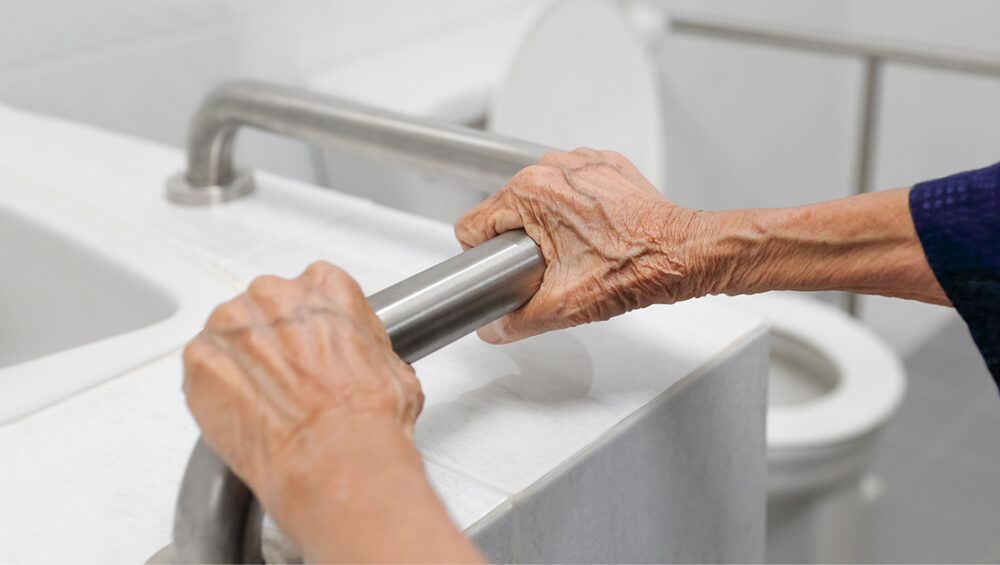
- Supportive bathrooms with grab rails positioned for seated and standing transfers, shower zones planned to drain quickly, and lever taps that are easier on the hands.
- Consistent lighting that avoids glare, plus night illumination on critical routes such as bed-to-bathroom.
- Lift lobbies with seating at a practical height and armrests for safe sit-to-stand.
- Lifts with an Automatic Rescue Device (ARD) so that, during a power interruption, the cabin opens at the next lower level for a safe and predictable exit.
When these features are designed as a system rather than as isolated items, residents move confidently and routine tasks remain low-risk.
2) People and process that are present and prepared
A community’s safety posture is only as strong as its people and procedures. Professional operators maintain round-the-clock staffing across security, reception, housekeeping, and wellness so that assistance is available at any hour. Clear standard operating procedures govern:
- How a request is received and acknowledged
- Who responds first and with what equipment
- How the event is recorded and escalated if necessary
- How families are informed, both during and after the incident
The emphasis is on predictable response, documented handovers between shifts, and periodic drills that keep teams fluent under pressure.
3) Emergency alert systems that shorten the time to help
Effective retirement homes for seniors install in-apartment alert points at the bedside and in bathrooms. When pressed, these alerts route to a staffed control point that immediately identifies location and dispatches responders. The logic is to remove friction at the moment of need: no searching for numbers, no reliance on a phone, and no ambiguity about who is coming. Communities that treat testing and logging as routine build the most reliable systems.
4) Discreet security that protects dignity
Safety must never feel intrusive. The standard today is gated entry and visitor management, CCTV coverage in common areas and entry points, and access control that respects residents’ privacy within their apartments. Central monitoring coordinates patrols, watches for alerts, and maintains an auditable record of incidents.
5) Health access that supports independent living
Independence remains the default; health support is the safety net. Leading communities provide a clearly signposted medical pathway: first response on site, rapid assessment, and, if required, timely transfer to a tied hospital with documentation ready. For routine days, residents follow their own schedules; if a concern arises, staff know exactly whom to call, what information to share, and how to restore normalcy quickly. The result is independence with assurance.
6) Housekeeping, maintenance, and hygiene as safety work
Reliable housekeeping and preventive maintenance are core to risk reduction. Regular cleaning keeps floors dry and clutter-free, while scheduled checks of lighting, handrails, door closers, and bathroom fittings prevent small issues from becoming hazards. Well-run teams also standardise placement of furniture and mats so sightlines and walking paths remain predictable.
7) Daily practices that build resident confidence
Communities that take safety seriously make it part of the daily rhythm. Examples include short balance sessions, clearly marked walking routes, guidance on supportive footwear, hydration prompts, and simple orientation cues near lifts and stairheads. These practices are modest and repeatable; together they create steadier days and more restful nights.
How to evaluate safety during a visit
A focused walk-through can reveal a great deal:
- Test an alert. In a show apartment, press a call button with permission and note how quickly the response begins.
- Walk the night route. Move from bed to bathroom with only night lighting and assess visibility and stability underfoot.
- Inspect bathrooms. Check for anti-skid finishes, logically placed grab rails, and unobstructed shower zones.
- Observe the lift lobby. Is seating present, supportive, and at the right height. Are handrails continuous along long corridors.
- Ask about the medical pathway. Who attends first, what happens if transfer is required, and how families are informed.
A brief trial stay of about 1 week long, where available, allows you to see weekdays, evenings, and weekends, and to confirm that standards are consistent across the week.
A note on Saral Satya Legacy
Saral Satya Legacy adopts a layered model that aligns with the framework described above. The campus provides gated entry, 24×7 security personnel, and CCTV monitoring in common areas, supported by a control room that monitors in-apartment emergency alerts. The community maintains liaison with local police and civil administration to enable swift external coordination when required. Lifts are equipped with an Automatic Rescue Device so that, in a power interruption, the cabin opens at the next lower level. These measures are complemented by defined response procedures and a resident-facing approach that keeps help close while daily life remains resident-led.
Conclusion
Safety in senior living is a system, not a single feature. The most capable retirement homes for senior citizens combine thoughtfully engineered spaces, prepared teams, disciplined procedures, and measured use of technology to protect residents without limiting day-to-day choice. As you compare retirement homes for seniors, look for the layers you can verify in real time—alert responsiveness, night visibility, secure yet respectful access control, and a clear medical pathway. Communities that demonstrate these elements consistently will support safer, calmer, and more independent ageing.