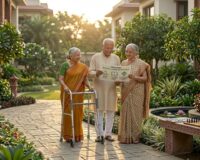
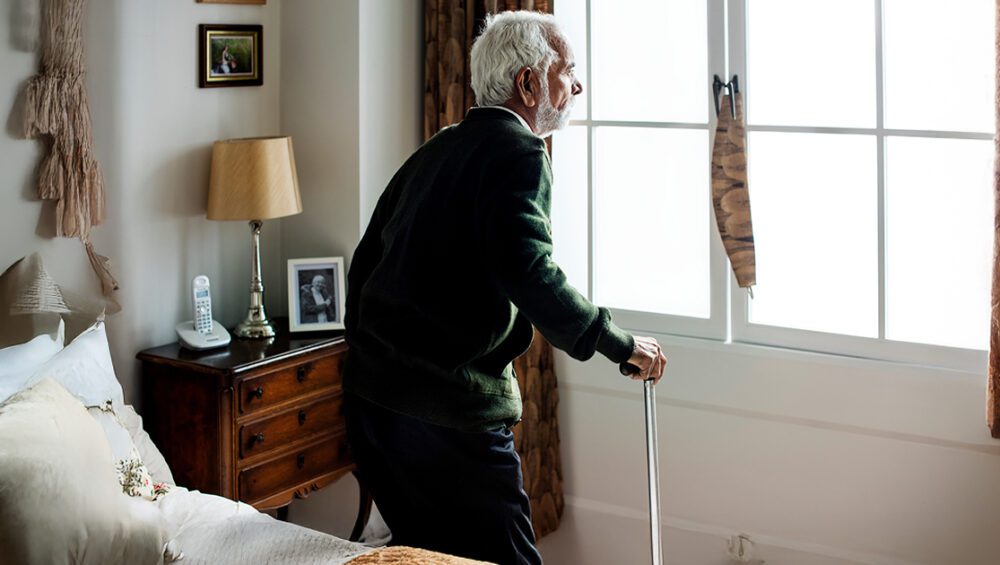
Do your knees feel stiff or unsteady on longer walks? Have you hesitated on stairs because a step suddenly felt uncertain? A well-fitted walking stick can turn those moments into safe, confident movement. Whether you live independently, use senior citizens home care, or prefer a senior citizen stay home routine, this guide explains when a stick helps, how to choose the right one, and the correct way to hold and use it. You will also find simple knee care tips and everyday foods that support joint comfort.
When a walking stick can help
A stick is a practical tool, not a sign of decline. It is worth considering if any of these are true for you.
- Knee pain or stiffness makes you shorten your steps or avoid outings.
- Balance feels less steady on uneven ground or when you turn quickly.
- One leg is weaker after an injury, surgery, or a long period of rest.
- You get tired halfway through a usual walk and want a third point of support.
- Stairs or slopes feel risky without something to hold.
If any point sounds familiar, a short trial with a walking stick can reduce strain and give you a calm, even rhythm. In many senior citizens home care programs, nurses or physiotherapists offer quick assessments that help you decide.
Choosing the right walking stick
Look for three features: height, handle, and tip.
Height. Stand upright in your everyday shoes with your arms relaxed by your sides. The top of the stick should reach the crease of your wrist. When you hold the stick, your elbow should bend about fifteen to twenty degrees. Too tall makes your shoulder hike. Too short makes you lean. If you follow a senior citizen stay home plan, ask a family member or home-care aide to check this measurement.
Handle. Choose a handle that spreads pressure across the palm. Offset or ergonomic handles are wrist friendly. Very narrow or round crook handles can dig into the hand during longer walks.
Tip. A non slip rubber tip grips the floor and absorbs impact. Replace it when the tread looks worn or shiny. For very uneven surfaces, a wider quad base can give extra stability. Adjustable aluminum sticks are light and easy to fine tune. Wooden sticks feel warm and sturdy if cut to the right height.
How to hold and use the stick
The golden rule is simple. Hold the stick in the hand opposite your painful or weaker knee. If the right knee hurts, the stick goes in the left hand. This shares the load across your body and reduces stress on the sore side.
On level ground. Step forward with the stick and the sore leg together. Then bring the stronger leg through. Keep the stick close to your body rather than far ahead. Small steps are safer than long reaches.
On stairs. Use a handrail whenever possible and keep the stick on the outer side.
Going up: lead with the stronger leg, then bring the sore leg and stick to the same step.
Going down: lead with the stick and the sore leg, then follow with the stronger leg.
Place the tip firmly before shifting weight.
Posture and pace. Look ahead, not at your feet. Keep your chest relaxed and shoulders level. If you find yourself leaning heavily on the stick, the height may be wrong or you may benefit from a physiotherapy review through your senior citizens home care provider.
Common mistakes to avoid. Using the stick on the same side as the painful knee. Setting it too far in front. Walking with the elbow locked straight. Carrying a heavy bag on the stick side. Each of these increases strain instead of reducing it.
Staying safe indoors and outdoors
Clear small rugs, trailing wires, and clutter from hallways. Add night lights to the path between bed and bathroom. On wet days, dry the stick tip at entrances so it grips immediately. Wear shoes with supportive heels and firm soles. Slippers that fold or slide can trip you. For a senior citizen stay home routine, consider grab rails near steps and in the bathroom.
Outside, choose even paths when possible. Watch for smooth tiles, polished stone, and painted ramps after rain. If you use public transport, let the stick tip land first and hold the rail before stepping on or off.
Gentle tips to keep knees comfortable
Movement is medicine for knees. The key is little and often.
Warm up. Begin with a minute or two of easy marching on the spot and ankle pumps. Add gentle knee bends within a pain free range.
Strength. Strong muscles protect sore joints. Try three simple moves most days.
Seated straight leg raises. Tighten your thigh and lift the foot a few inches, hold, lower.
Sit to stand from a chair. Use armrests if needed and rise with control.
Side stepping along a counter. Light fingertip support keeps balance steady.
Pacing. If twenty minutes of walking causes a flare, do ten minutes twice a day for a week, then slowly build time. Consistency beats a single long effort. This is true whether you prefer community classes or a senior citizen stay home schedule.
Comfort care. In a flare, brief cold packs can settle swelling. On tight days, a warm shower or a heating pad relaxes muscles. Choose the option that feels better to you.
Footwear and supports. Supportive shoes reduce impact. A simple knee sleeve can provide warmth and reassurance for short outings. If pain persists, a senior citizens home care physiotherapist can advise a targeted brace and fine tune your exercises. If you still experience pain or find that your knee hurts often, then consult a physician at the earliest opportunity.
Everyday foods that support joint comfort
There is no miracle food, but a balanced plate helps knees in practical ways.
Color on the plate. Aim for two or more vegetables at lunch and dinner. Berries, citrus, tomatoes, spinach, and carrots bring antioxidants that support tissue health.
Quality protein. Include lentils, beans, dairy, eggs, soy, or fish to build and repair muscle. Strong muscles mean calmer knees and steadier walking with or without a stick.
Healthy fats. Choose nuts, seeds, and plant oils. If you eat fish, fatty fish a couple of times a week can be helpful. For vegetarian options, flaxseed and walnuts are good choices.
Bone support. Calcium and vitamin D matter for bones around the knee. Consider low fat dairy, ragi, sesame, leafy greens, and safe sunlight or supplements if advised.
Hydration. Sip water through the day. Joints and muscles work better when you are well hydrated.
What to limit. Highly processed foods and very sugary drinks can nudge inflammation. Keep them occasional.
When to seek advice
A walking stick is a helpful start, but professional guidance can make it even better. If you feel unsteady, if pain travels below the knee or into the foot, or if weakness is new and worsening, book a clinical review.
Conclusion
For seniors considering a move beyond home-based support, Saral Satya Legacy in Greater Noida offers thoughtfully designed living with structured wellness. Residents can access expert physiotherapy, stick-use training, and knee friendly activity calendars while enjoying calm, well planned apartments and green open spaces.